

Difference Between Rotary Phase Converter And VFD
Deciding between a Rotary Phase Converter vs VFD? This choice hinges on your specific needs. Rotary phase converters offer stable three-phase power for multiple machines, making them ideal for workshops and industry. In contrast, VFDs provide variable motor speed and energy efficiency for precise applications. This article breaks down their differences to help you choose between a rotary phase converter vs VFD.
Key Takeaways
- Rotary phase converters convert single-phase power to three-phase power, ensuring reliable operation of industrial equipment, particularly in settings without three-phase infrastructure.
- Variable Frequency Drives (VFDs) not only convert single-phase power to three-phase but also allow for precise control of motor speed and torque, enhancing energy efficiency in various applications.
- The choice between rotary phase converters and VFDs depends on application needs; rotary phase converters are ideal for powering multiple machines, while VFDs are better suited for scenarios requiring variable motor control.
Understanding Rotary Phase Converters

Rotary phase converters are the unsung heroes of many workshops and industrial settings. These devices transform single-phase power into three-phase power, making it possible to operate three-phase motors and equipment even in locations where only single-phase power is available. Imagine running a complex machine shop or a large HVAC system without the need for a three-phase power infrastructure; that’s the magic of rotary phase converters.
These converters are particularly valuable in environments like garages, workshops, and industries where large machinery needs to operate efficiently. Rotary phase converters create a three-phase output from a single-phase input, ensuring smooth and reliable equipment operation.
How Rotary Phase Converters Work
The operation of a rotary phase converter is a fascinating dance of electrical engineering. At its core, a rotary phase converter uses a three-phase motor to generate a rotating magnetic field, simulating the behaviour of a three-phase power system. This process begins with the single-phase power supply, which is fed into the converter. The converter then creates the third phase necessary for three-phase power by spinning the idler motor, effectively balancing the power across the three phases.
The rotating magnetic field enables rotary phase converters to power equipment that needs three-phase power, even in places with only single-phase power. This system’s charm is its consistent and reliable power output, which is perfect for industrial and commercial applications.
Key Components of Rotary Phase Converters
Knowing the key components of a rotary phase converter enhances appreciation of its functionality. The idler motor, the system’s heart, provides the crucial third phase of power. This motor, when spun, generates the rotating magnetic field necessary for the conversion process. The efficiency and reliability of the idler motor are paramount to the converter’s overall performance.
Other essential components include capacitors and control panels, which manage the electrical flow and ensure that the conversion is smooth and stable. Together, these elements maintain a power balance, ensuring a consistent and reliable three-phase output.
Best Applications for Rotary Phase Converters
Rotary phase converters are incredibly versatile and capable of handling a wide range of loads, including resistive and inductive types. This versatility makes them ideal for powering large industrial machinery, CNC machines, pumps, air compressors, and HVAC systems. Rotary phase converters excel in environments where voltage conversion, power quality, and reliability are critical.
One of the standout features of rotary phase converters is their ability to power multiple machines from a single-phase source. A single converter can support multiple pieces of equipment simultaneously, offering a cost-effective solution for many industrial applications.
Exploring Variable Frequency Drives (VFDs)

Variable Frequency Drives (VFDs) are another marvel of modern electrical engineering. These devices not only convert single-phase power to three-phase power but also offer the added benefit of variable speed control for motors. Known by several names, including variable speed drives, AC drives, and adjustable-frequency drives, VFDs bring a new level of control and efficiency to motor operation.
The primary function of a VFD is to adjust motor speed by varying the frequency and voltage of the power supplied. This capability allows for precise control over motor performance, making VFDs invaluable in applications where speed and torque adjustments are necessary.
How VFDs Operate
The operation of a variable frequency drive is a blend of precision and flexibility. VFDs control motor speed by varying the frequency and voltage of the electrical supply. This is achieved through a sophisticated system of electronics that adjusts these parameters in real-time, allowing for seamless speed control.
This variable speed control is crucial for applications that require precise adjustments to motor operation. By optimising motor performance based on load requirements, VFDs can significantly enhance energy efficiency, reducing electricity consumption.
Whether it’s starting, stopping, or reversing motors, VFDs provide an unparalleled level of control.
Essential Components of VFDs
The key components of a VFD are what make it a powerful and flexible motor control device. The interface allows users to program and monitor the drive, while the bridge rectifier converts AC power to DC power. The capacitor bank stores and smooths the DC power, and the inverter, utilising solid-state electronics, converts this DC power back into a variable frequency AC output.
These components work together to provide precise control over motor speed and torque, ensuring that the motor operates efficiently and effectively. The inverter’s ability to output three-phase power from a single-phase input is particularly noteworthy, as it broadens the range of applications for VFDs.
Typical Uses of VFDs
Variable frequency drives are ideal for applications that require variable speed control. This makes them perfect for CNC machines, where precise motor speed control is essential for high-quality operations. They are also widely used in commercial buildings to optimise HVAC systems, leading to significant energy savings.
In environments with variable loads, VFDs adjust motor speeds based on occupancy or process requirements, promoting overall efficiency. This capability not only enhances performance but also reduces energy consumption, making VFDs a valuable addition to any energy-conscious operation.
Key Differences Between Rotary Phase Converters and VFDs

While both rotary phase converters and VFDs serve the purpose of converting single-phase power to three-phase power, their primary functions and applications differ significantly. Rotary phase converters are excellent for providing three-phase power to multiple machines simultaneously, ensuring robust and reliable operation.
In contrast, VFDs excel at controlling the speed and torque of individual motors, offering precise adjustments to meet specific application needs. Understanding these key differences is essential for selecting the right solution for your specific requirements.
We’ll explore the primary functions, motor control capabilities, energy efficiency, complexity, and cost differences between these two technologies.
Primary Function
A rotary phase converter primarily converts single-phase power into three-phase power, enabling machinery operation that requires a three-phase supply. This conversion enables seamless operation of various industrial and commercial equipment in settings with only single-phase power.
On the other hand, VFDs are designed primarily to control motor speed and torque by varying the frequency and voltage of the power supplied. Though VFDs can also convert single-phase to three-phase power, their primary function is managing motor performance, making them suitable for applications with varying power needs.
Motor Control
Rotary phase converters provide a constant three-phase power supply but do not allow for motor speed adjustments. This makes them ideal for applications where consistent power is needed, but speed control is not a priority.
VFDs, however, offer advanced motor control capabilities, enabling precise adjustments to speed, torque, and acceleration. This level of control is beneficial in applications that require variable speed and torque settings, such as CNC machines and HVAC systems. VFDs can start, stop, and reverse motors electronically, providing a high degree of flexibility and efficiency.
Energy Efficiency
Energy efficiency is another critical area where VFDs have an edge over rotary phase converters. Rotary phase converters provide a consistent output but lack energy-saving benefits. Designed to power multiple machines simultaneously, they can be efficient in some scenarios but lack the dynamic energy management of VFDs.
VFDs, on the other hand, significantly improve energy efficiency by adjusting motor speed to match the load requirements. This reduces electricity consumption, especially in applications where full-speed operation is not always necessary. Running motors at variable speeds, VFDs enhance overall energy efficiency and reduce operational costs.
Complexity
Rotary phase converters are simple devices that are easy to install and maintain. Their straightforward design makes them ideal for applications prioritising ease of use and reliability.
VFDs are more complex, requiring careful setup and configuration to match specific motor and application needs. This complexity stems from their programmable features and the need to precisely tune the system for optimal performance. While this adds a layer of intricacy, it also provides unmatched flexibility and control.
Cost
Cost is often a deciding factor when choosing between rotary phase converters and VFDs. Rotary phase converters are generally less expensive upfront, especially when powering multiple pieces of equipment simultaneously. This makes them a cost-effective solution for many industrial applications.
However, VFDs, despite their higher initial cost, offer potential long-term savings through improved energy efficiency and precise motor control. The operational savings from reduced energy consumption can offset the initial investment over time, making VFDs a financially sound choice for applications where energy efficiency is a priority.
Which Is Right for Your Application?

Choosing between a rotary phase converter and a VFD depends largely on your specific needs. For a simple, cost-effective solution powering multiple three-phase machines from a single-phase source, a rotary phase converter is likely the best choice. They are robust, reliable, and ideal for general industrial machinery.
However, if your application requires precise control of motor speed and torque or if energy efficiency is critical, a VFD may be the better option. VFDs not only convert single-phase power to three-phase but also allow you to control various motor parameters, providing more flexibility and efficiency.
Summary
Both rotary phase converters and VFDs have their unique advantages and are suited to different applications. Rotary phase converters are excellent for providing reliable three-phase power to multiple machines, making them ideal for workshops and industrial settings. On the other hand, VFDs offer precise motor control and enhanced energy efficiency, making them perfect for applications requiring variable speed and torque adjustments.
Choosing the right solution depends on your specific needs, whether it’s the simplicity and robustness of a rotary phase converter or the sophisticated control and efficiency of a VFD. By understanding the differences between these technologies, you can make an informed decision that best suits your operational requirements.
Frequently Asked Questions
The primary function of a rotary phase converter is to convert single-phase power into three-phase power, allowing the operation of three-phase motors and equipment in places lacking three-phase electricity. This makes it essential to power industrial machinery that requires three-phase power.
A VFD improves energy efficiency by optimising motor speed to align with load demands, significantly reducing electricity consumption compared to fixed-speed operations. This tailored approach ensures that energy use is minimised while maintaining performance.
The key components of a rotary phase converter are the idler motor, which generates the third phase of power, along with associated control and start capacitors that enhance its efficiency. These components work together to provide a balanced three-phase output.
VFDs are most beneficial in applications that demand precise motor speed control, particularly in CNC machines and HVAC systems, as they enhance performance and improve energy efficiency.
Rotary phase converters typically have a lower initial cost than VFDs; however, VFDs may provide greater long-term savings due to their superior energy efficiency and motor control capabilities.

How Do Variable Speed Drives Save Energy?
In today’s world, where energy efficiency is not just a trend but a necessity, businesses and industries are constantly searching for ways to reduce their energy consumption. One technology that has been instrumental in achieving this is the Variable Speed Drive (VSD). At Kingswood Controls, we understand the importance of energy efficiency and the significant role VSDs play in achieving this goal. But how exactly do Variable Speed Drives save energy, and what makes them so effective?
Key Takeaways
- Variable speed drives (VSDs) significantly reduce energy consumption by adjusting motor speed to match load requirements, leading to enhanced efficiency and cost savings.
- VSDs employ advanced techniques such as PID control loops and square law fluxing to dynamically align motor speed with application demands, optimising energy usage.
- In various industrial settings, VSDs can achieve substantial energy savings, with up to 50% reductions in variable torque applications like fans and pumps and around 10% in constant torque applications such as conveyors and compressors.
Understanding Variable Speed Drives
Before delving into their energy-saving capabilities, it’s essential to understand what Variable Speed Drives are. Variable Speed Drives (VSDs), also referred to as Variable Frequency Drives (VFDs), are devices designed to control the speed of electric motors by varying the frequency and voltage of the power supplied to the motor. Unlike traditional systems that run motors at a constant speed, VSDs allow motors to operate at variable speeds, adjusting to the specific needs of the application.
The Energy-Saving Mechanism
The primary way VSDs save energy is by matching the motor speed to the actual demand of the system. In many industrial processes, motors often run at full speed, even when the application requires much less power. This inefficiency leads to significant energy wastage. VSDs eliminate this issue by ensuring that the motor only uses the energy necessary to meet the current demand.
For example, consider a pump in a water system. Without a VSD, the pump would run at full speed regardless of the water flow required, with excess energy being wasted. With a VSD, the pump speed adjusts according to the required flow rate, reducing energy consumption significantly.
Efficiency Benefits of Variable Speed Drives
- Reduced Power Consumption: The most direct benefit of VSDs is their ability to reduce power consumption. By operating motors at optimal speeds, VSDs can cut energy usage by as much as 50% in some applications. This reduction in energy use translates directly into cost savings, which can have a substantial impact on the bottom line, especially in energy-intensive industries.
- Enhanced Motor Lifespan: Running motors at full speed continuously can lead to increased wear and tear, reducing their lifespan. VSDs help by minimising the mechanical stress on motors, leading to longer equipment life and reduced maintenance costs. This not only saves energy but also lowers the total cost of ownership.
- Improved Process Control: VSDs offer precise control over motor speed, which can improve the quality and efficiency of industrial processes. For example, in HVAC systems, VSDs allow for better temperature and airflow control, resulting in more efficient operation and reduced energy consumption.
- Lower Heat Generation: Running motors at lower speeds generates less heat, which in turn reduces the need for cooling systems. This can lead to additional energy savings, especially in environments where cooling is a significant energy expense.
Impact on Reducing Energy Consumption

The adoption of VSDs has a profound impact on reducing energy consumption across various sectors. In manufacturing, VSDs are used in everything from conveyor systems to fans and compressors, providing energy savings across the board. In commercial buildings, VSDs contribute to more efficient HVAC systems, leading to lower energy bills and a reduced carbon footprint.
In fact, studies have shown that the widespread implementation of VSDs could reduce global energy consumption by up to 10%. This reduction is not just beneficial for businesses but also plays a crucial role in meeting global energy efficiency targets and combating climate change.
Steps to Implementing Variable Speed Drives for Maximum Efficiency
Implementing VSDs involves a phased approach to ensure they are integrated correctly and provide maximum energy savings. The process includes assessing your needs, choosing the right VSD, and continuous monitoring and optimization to maintain peak efficiency and energy savings.
Assessing Your Needs
An essential step in VSD implementation involves:
- Analysing the current power consumption and pinpointing potential savings.
- Estimating how much energy a VSD will save by comparing the power usage with standard motors under various load conditions.
- Assessing the need for VSDs by understanding the load profiles of existing systems and determining if variable speeds would offer significant benefits.
This evaluation should also include:
- Checking the compatibility of existing motors with VSDs to avoid unnecessary replacements
- Addressing incompatibility by using gears, dampers, or throttle control, but these solutions can increase costs, waste energy, and reduce efficiency
- Using a data-driven approach to determine realistic VSD-related energy savings.
Choosing the Right VSD
Selecting the right VSD entails:
- Aligning it with the motor’s load requirements to guarantee optimum performance
- Sizing it according to the actual loads rather than the rated capacity of the motors for maximum efficiency
- Integrating VSDs with motors that are compatible and suitable for variable speed control to avoid inefficiency.
VSDs should be selected based on their ability to handle the specific torque and speed demands of the application. The adaptability of VSDs to different load profiles ensures precise control over processes, enhancing performance and reducing energy wastage. For optimal efficiency, VSDs need to be configured to either constant torque or variable torque loads, depending on the application.
Monitoring and Optimisation
Ongoing monitoring of VSDs is vital for their operation at peak efficiency and the sustenance of energy savings. Regular checks and adjustments can help identify any inefficiencies and correct them promptly. Most Danfoss drives require manual configuration of energy-saving parameters, except for the VLT® HVAC Drive FC 102, where optimisation is the default. Integrating VSDs with Industrial Internet of Things (IIoT) systems allows for predictive maintenance and rapid performance analysis, ensuring that the system remains efficient over time.
Monitoring systems can provide real-time data on energy consumption, motor performance, and system efficiency. By analysing this data, operators can make informed decisions to optimise performance and further reduce energy consumption. Continuous optimization ensures that the energy-saving benefits of VSDs are fully realised, contributing to lower energy costs and more efficient operations.
Summary
At Kingswood Controls, we are committed to helping our clients achieve greater energy efficiency through innovative solutions like Variable Speed Drives. By optimizing motor speed to match demand, VSDs offer a simple yet powerful way to reduce energy consumption, lower costs, and improve overall efficiency. Whether you’re looking to enhance your industrial processes or reduce your building’s energy footprint, VSDs are an essential tool in your energy-saving strategy.
For more information on how Kingswood Controls can help you implement Variable Speed Drives in your operations, contact us today. Together, we can make a significant impact on your energy efficiency and contribute to a more sustainable future.
Frequently Asked Questions
How do Variable Speed Drives (VSDs) save energy?
Variable Speed Drives save energy by controlling motor speed and torque, ensuring that motors run only at the necessary speed for the task and reducing energy wastage. This results in significant energy savings.
What are the benefits of VSDs beyond energy savings?
In addition to energy savings, VSDs can reduce maintenance costs and improve process control by matching motor speed and torque to process demands. These advantages make VSDs a valuable asset for industrial operations.
How much energy can VSDs save in centrifugal operations?
VSDs can save up to 50% of energy in centrifugal operations like fans and pumps by adjusting motor speed to match the required load. This results in significant energy savings.
What is the cube law relationship, and how does it relate to energy savings with VSDs?
The cube law relationship shows that power consumption in fan and pump systems is proportional to the cube of the motor speed, meaning that even small reductions in speed can result in significant energy savings with VSDs.
How do I implement VSDs for maximum efficiency?
To implement VSDs for maximum efficiency, assess your power consumption, select the appropriate VSD for your motor’s load, and continuously monitor and optimize the system for peak efficiency and energy savings.
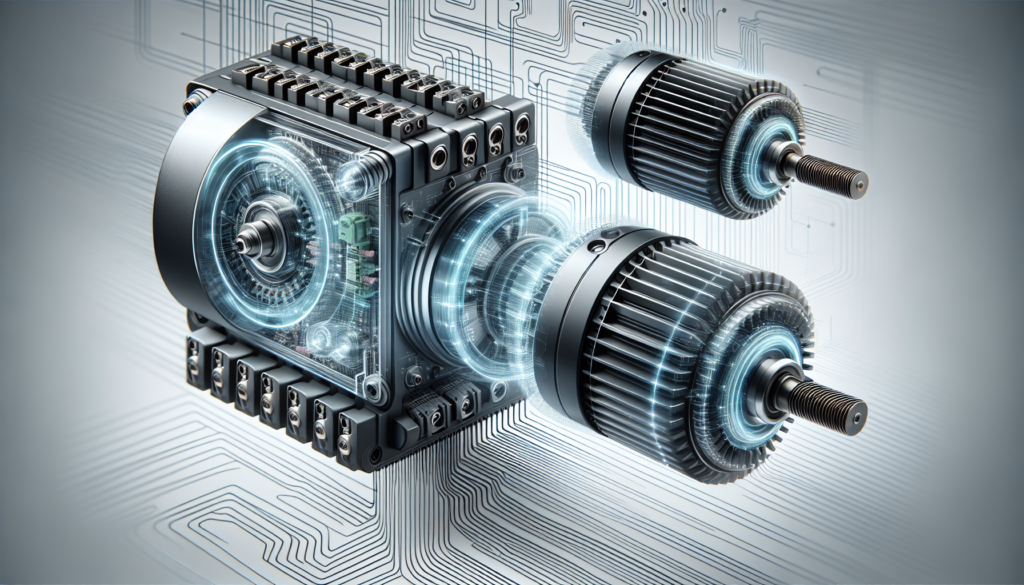
Understanding Each Type Of Variable Speed Drive
Exploring the different types of variable speed drives is essential for any operation that values precision motor control and energy savings. From PWM to DC and VSI drives, each offers unique benefits tailored to specific applications. Dive into this guide to understand how these technologies work and identify the optimal choice for enhancing performance and cutting costs in your facilities.
Key Takeaways
- Variable speed drives (VSDs) provide precise control over motor speed and torque, significantly reducing energy consumption by up to 50% at partial loads and contributing to operational cost savings, maintenance reduction, and noise minimisation.
- The range of variable speed drives includes Pulse Width Modulation (PWM), Direct Current (DC), and Voltage Source Inverter (VSI) drives, each with unique characteristics suited to different industrial applications, enabling tailored performance and energy efficiency.
- Advanced control techniques such as sensorless vector control and integration with Programmable Logic Controllers (PLCs) in VSDs offer sophisticated motor management, enhancing precision, reliability, and energy savings across various industrial settings.
Diving into the World of Variable Speed Drives

The mastery over motor speed and torque is not just a matter of control but one of economic and operational wisdom. Variable speed drives, the maestros of motor management, are at the heart of this mastery. These ingenious devices harmonise the flow of energy to electric motors, ensuring that each movement is synchronised with the precise needs of an application. The consequence? A symphony of efficiency that sings to the tune of reduced electricity consumption and a fast return on investment. In some cases, energy costs plummet by 50% when motors run at partial loads. However, the benefits of VSDs extend beyond mere cost savings. They also play a pivotal role in curbing maintenance expenses, minimising waste, and diminishing noise emissions, especially when compared to a fixed-speed motor. The motor speed governor is an essential component in achieving this level of control and efficiency.
Variable speed drives, including those with a variable speed rotor, are more than just a technical component; they represent a transformative force in the industrial landscape. By adjusting the frequency and voltage from the mains, VSDs ensure that motor speed is in perfect alignment with process demands, setting the stage for enhanced performance and longevity of machinery.
Understanding the Basics of Variable Speed Drives
At the core of variable speed drives lies a simple yet profound principle: the transformation of electrical energy into controlled mechanical force. These devices take the incoming AC power, a symphony of electrons in motion, and fine-tune it into a form that electric motors can utilise efficiently. Through a process of conversion—AC to DC, smoothing the DC wave, and then back to AC with variable frequency—VSDs tailor the motor’s power supply to fit its operational needs perfectly. As maestros conducting an electrical orchestra, VSDs synthesise an alternating voltage of any desired frequency, allowing for precise control over motor speed.
This precise power management is not just for show; it’s the cornerstone of modern industrial mechanisms, where every drop of efficiency is valued. In applications ranging from the spinning of a fan to the movement of an entire assembly line, variable speed drives ensure that electric motors perform at their peak without wasting a single volt of energy.
The Significance of Variable Frequency in Motor Control
The magic of variable speed drives isn’t just in their ability to control speed; it’s in their mastery over variable frequency—a concept that lies at the heart of modern motor control. By adjusting the frequency of the input electricity, variable frequency drives (VFDs) dictate the pace at which motors operate, allowing them to respond with agility to the varying demands of industrial processes. Imagine a world where electric motors can adapt on the fly, increasing efficiency and reducing the strain on mechanical systems—a world made possible through the understanding of variable frequency and the use of variable frequency drive technology.
Grasping the terms’ vfd frequency drive’, ‘variable frequency’, or ‘vfd meaning’ is akin to unlocking a new level of operational efficiency. It’s about harnessing the full potential of motor speed control to not just meet but exceed the performance requirements of myriad applications. This is where the true significance of variable frequency shines, enabling businesses to optimise their operations and carve out a competitive edge in an ever-evolving industrial landscape.
Unveiling the Spectrum of Variable Speed Drives
In the world of variable speed drives, one size does not fit all. Each type of VSD brings a unique set of features to the table, tailored to meet the specific needs of different industrial applications. From the precise control of PWM drives to the robust power handling of DC drives, each variant opens a new chapter in the story of motor management. It’s this diversity that equips industries with the tools they need to optimise performance, whether they’re propelling pumps, driving conveyors, or powering ventilation systems.
Comprehending the range of variable speed drives is vital for those who seek to fine-tune their operations to peak efficiency. Pulse Width Modulation (PWM) drives, Direct Current (DC) drives, and Voltage Source Inverter (VSI) drives each play a distinctive role in speed control, offering solutions that range from intricate to industrial-scale power management.
Pulse Width Modulation (PWM) Drives
Enter the realm of Pulse Width Modulation (PWM) drives, where electric currents are modulated like the strokes of an artist’s brush, creating a masterpiece of motor speed control. PWM drives employ a technique that uses a carrier frequency to modulate the output voltage, delivering precise control over the speed and torque of AC motors. By adjusting the duration and intervals of voltage pulses, these drives can finely tune the amount of power supplied to the motor, enabling accurate speed regulation that’s essential for applications like hydraulic pumps or conveyor systems.
Yet, with great power comes great responsibility, and PWM drives are equipped with sine-wave filters that serve as their guardians. These filters diligently remove electrical harmonics, ensuring the voltage waveform remains high-quality and preventing any adverse effects on the electrical system. Thus, PWM drives stand as a testament to the marriage of precision and protection, driving the engines of industry with unwavering reliability.
Direct Current (DC) Drives
In the orchestra of industrial machinery, Direct Current (DC) drives play the role of the steady bass, providing a consistent foundation of torque control. These workhorses of the motor world adjust their speed by modulating the DC voltage supplied to the motor, making them ideal for applications where constant torque is non-negotiable. DC drives simplicity and reliability, which make them a favoured choice for scenarios that demand a persistent application of force, like winding coils or pressing metal.
Their ability to manage input voltage with precision means that DC drives can command the motor’s movement with the finesse of a conductor’s baton, ensuring that the torque delivered is both consistent and controllable. Industries rely on this kind of performance, knowing that their machinery will respond exactly as needed, time and time again, without fail.
Voltage Source Inverter (VSI) Drives
Voltage Source Inverter (VSI) drives bring a dash of versatility to the variable speed drive family. Designed to convert DC power back to AC, they cater to applications that demand not just a change in speed but also voltage and frequency. VSI drives stand as voltage-fed inverters, maintaining a constant voltage across both single and three-phase systems, making them suitable for a wide range of industrial environments. This transformation from DC to AC is a critical process, one that enables motors to operate efficiently under variable conditions.
Not to be outshined by their DC relatives, VSI drives incorporate closed-loop vector VFD technology, allowing AC motors to develop full torque even at a standstill—a feature traditionally exclusive to DC drives. This remarkable capability highlights the ingenuity of VSI drives, providing industries with a level of control and flexibility that pushes the boundaries of what’s possible with electric motors.
Zooming in on Specific Drive Types: Their Nuances and Performance Optimisation

As we delve deeper into the world of variable speed drives, we uncover the intricate nuances that define each type. These subtleties are crucial in sculpting the performance and efficiency of the equipment they control, allowing for a bespoke optimisation that meets the exact requirements of each application. It’s this level of customisation that sets apart the truly advanced systems from the merely functional, transforming the ordinary into the extraordinary.
Variable speed drives are:
- Mechanisms for control
- Instruments of innovation that reduce energy usage
- Extend the operational lifespan of machinery
- Contribute to a leaner, greener industrial landscape
Their ability to fine-tune performance to the slightest variation in demand is what makes them indispensable in the quest for operational excellence and cost-effectiveness.
Examining the Flux Vector Control Technique
The Flux Vector Control technique is akin to a virtuoso violinist’s ability to draw out the sweetest melodies from their instrument. It enables variable-speed drives to exert precise torque control, which is especially beneficial when facing dynamic load changes or operations at low speeds. Born from the need to enhance performance in high-demand motor applications, flux vector control ensures smooth operation throughout the entire speed range, making it an essential tool for industries that require high starting torque or precision at low-speed operations.
Beyond its impressive capabilities at low speeds, Flux Vector Control offers the following benefits:
- Allows motors to maintain full torque at zero speed
- Essential for applications that demand consistent strength from the get-go
- Achieves unparalleled precision in speed regulation when paired with closed-loop vector control and the use of encoders
- Provides the feedback necessary for applications where exactitude is a must.
The Role of Load Commutated Inverter (LCI) Drives
When the challenge of powering high-intensity electrical machines such as heavy-duty turbomachines, motors, compressors, and pumps arises, Load Commutated Inverter (LCI) drives rise to the occasion. Preferred for high-power applications, LCI drives are adept at managing variable loads with reduced electrical stress, ensuring the longevity and reliability of the machines they serve. With their silicon-controlled rectifiers (SCRs) at the ready, these drives deftly convert direct current into multiphase alternating current, supplying the lifeblood that keeps electrical machines in motion.
LCI drive systems are engineered to adapt. They can switch between starting (force-commutated) and normal (self-commutated) operation modes, providing flexibility and resilience in the face of varying operational demands. This adaptability makes LCI a cornerstone of industries that rely on heavy machinery to execute tasks of monumental scale.
Insights into Adjustable Speed Drive Systems
The world of adjustable speed drive systems is as varied as it is dynamic, encompassing mechanical, hydraulic, and electronic systems, each designed to control motor speed for a multitude of applications finely. Some examples include:
- Mechanical systems rely on the physical adjustment of pulleys or gears to alter speed ratios efficiently.
- Hydraulic systems use fluid power to control motor speed through the use of valves and pumps.
- Electronic systems utilise advanced control algorithms and power electronics to regulate motor speed with precision.
These different types of adjustable speed drive systems offer flexibility and efficiency in various industrial and commercial settings.
On the other hand, hydraulic adjustable speed drives, including hydrostatic, hydrodynamic, and hydroviscous systems, use the flow of hydraulic fluid to regulate the motor speed with precision. Electric adjustable speed drives, which include DC motor drives, eddy current drives, and AC motor drives, represent the cutting edge of speed control technology.
Among these, three-phase VSI drives stand out for their use in applications like uninterrupted power supplies, where they enhance power quality and provide a reliable energy source. This exploration into the different facets of adjustable speed drive systems reveals the ingenuity and versatility that underpin modern industrial operations.
The Impact of Variable Speed Drives on Energy Consumption

The adoption of variable speed drives (VSDs) offers several benefits, including:
- Control and performance improvement
- Energy efficiency and environmental stewardship
- Immediate energy savings by enabling motor speed variation in response to demand
- Long-term competitive advantages for applications such as pumps and fans
- Significant energy consumption reduction in systems like water and wastewater management, thermal power plants, and air conditioning units
In fact, by simply slowing down the motor speed from 100% to 80%, energy consumption can be slashed by up to 50%.
The journey towards reduced energy consumption is bolstered by structured energy assessments, such as those recommended by Quantum Controls. By monitoring energy usage before and after VSD implementation, businesses can quantify the cost savings and validate the investment in this technology. This analytical approach, which involves installing an energy monitor and comparing consumption over two weeks, brings clarity to the financial and ecological benefits of embracing variable speed drives.
From Full Speed to Zero Speed: Energy Savings Across the Speed Range
Delving into the specifics, the energy savings offered by variable-speed drives span the entire spectrum of operational speed. From full throttle to a complete halt, VSDs manage motor speeds with a level of finesse that translates into significant reductions in energy consumption. This is not a mere scaling down of power usage but a nuanced modulation that matches energy input to operational needs with pinpoint accuracy. Whether powering up a heavy-duty industrial fan or gradually bringing a centrifuge to a stop, VSDs ensure that every watt of electricity is purposefully employed.
The ability to slow down from maximum speed to zero without compromising on efficiency or performance is what sets VSDs apart. By avoiding the energy waste associated with the constant-speed operation, these devices not only reduce electricity bills but also contribute to a more sustainable and responsible use of resources, making them a vital component in the pursuit of a greener industry.
Synchronising Speed with Demand: The Efficiency Benefits
When it comes to energy efficiency, the harmony between motor output and operational demand is paramount. By perfectly synchronising motor speed with process requirements, VSDs avoid unnecessary electricity consumption, optimise energy use and enhance overall efficiency. This synergy is not just about saving energy; it’s about amplifying the productivity and reliability of the entire system. Matching motor speed with performance needs ensures that no energy is wasted and every movement is calibrated for optimal results.
The strategic implementation of VSDs, identified through comprehensive plant site audits, can unveil applications ripe for energy conservation. By optimising motor output to align with fluctuating energy demands, businesses can achieve significant energy savings, laying the foundation for a more efficient and cost-effective operation. It’s this level of strategic integration that elevates VSDs from a technical enhancement to a cornerstone of modern industrial energy management.
Advanced Control Methods in Variable Speed Drives

As the technological landscape evolves, so too do the control methods within variable speed drives. Advances in semiconductor technology, drive topologies, and control techniques have dramatically elevated the performance and cost-efficiency of VFDs, leading to sophisticated motor control strategies. Today’s VSDs come equipped with an arsenal of advanced techniques, such as voltage/frequency control and self-sensing vector control without external encoders, alongside closed-loop vector control for the most precise motor regulation.
The intricate art of motor speed and torque management is underpinned by the careful adjustment of input power frequency and the precise activation of field coils. Advanced control methods within VSDs not only manage these elements with finesse but do so in a manner that accommodates the diverse and demanding requirements of industrial applications. For instance, PWM drives, utilising Insulated Gate Bipolar Transistors (IGBTs), switch DC voltage to create an AC output with controlled voltage and frequency—a process fine-tuned by adjusting the switching frequency to suit the specific needs of the motor.
Exploring the Precision of Sensorless Vector Control
The integration of sensorless vector control within variable speed drives marks a significant leap forward in motor control technology. This method exemplifies precision by enabling accurate motor control without the need for external sensors, using the inherent motor parameters to guide its actions. With flux vector control, also known as field-oriented control, VSDs can manage stator currents of AC motors with exceptional accuracy, ensuring that the desired current components are maintained for precise torque control.
This technology is not just about achieving high starting torque; it’s about maintaining precise speed regulation even at a fraction of the rated speed. Sensorless vector control ensures that motors operate effectively across a wide range of applications, from those requiring delicate touch to those demanding robust power, all without the complexity and cost of additional hardware.
The Integration of Programmable Logic Controllers (PLCs)
The integration of Programmable Logic Controllers (PLCs) with variable speed drives ushers in a new era of intelligent motor control and process reliability. PLCs allow for the development of complex control schemes, coordinating multiple drive systems to work in unison towards a common goal. This harmonisation is key to achieving the sophisticated control strategies that modern industrial applications demand, ensuring that each component of the system responds with precision and agility to changing conditions.
Furthermore, PLCs offer the following benefits:
- Real-time adjustments
- Unparalleled level of control granularity
- Advanced programming capabilities for custom algorithms
- Optimisation of VSD performance for maximum efficiency and productivity
- Communication interfaces such as Ethernet/IP or Modbus for seamless operation and data exchange
- Reliability and effectiveness of integrated systems
Variable Speed Drives in Industrial Applications
Variable speed drives are not just about the technology behind them; they are about the transformation they bring to industrial applications. By aligning the speed of motors with the precise requirements of the task at hand, VSDs enhance productivity and operational efficiency, allowing industries to reach new heights of performance. Whether lifting heavy weights with cranes, managing the flow of a process line with conveyors, or ensuring precision in automated systems, VSDs are the linchpin that enables these systems to operate at their best.
The integration of PLCs with VSDs has become a critical component of intelligent system operation in the automation industry, providing real-time monitoring and control that is essential for maintaining the delicate balance of complex machinery. As industries continue to evolve and embrace technological advancements, the role of VSDs in retrofitting existing systems and powering new ones becomes increasingly significant, especially in airside applications where traditional constant-speed blower motors are being upgraded for better performance and energy efficiency.
Conveyor Belt Systems: Tailored Speed for Maximum Throughput
Conveyor belt systems are critical to the smooth operation of material handling and production processes, and variable speed drives are the key to optimising their performance. By enabling tailored control of conveyor speeds, VSDs ensure that materials move through the system at the ideal pace, maximising throughput and minimising bottlenecks. Technological advancements in electronic and control technology have significantly enhanced the performance of VSDs, making them more effective and flexible than ever before in conveyor belt applications.
These modern drives not only facilitate the control of conveyor belt speeds but also contribute to the overall efficiency and productivity of the production flow. With VSDs, manufacturers can adjust speeds in response to changing production demands, ensuring that material handling is both precise and efficient, a testament to the transformative impact that these devices have on the industrial landscape.
HVAC Systems: Balancing Comfort and Energy Costs
In the realm of heating, ventilation, and air conditioning (HVAC) systems, variable speed drives play a pivotal role in balancing comfort with energy costs. Primarily used to control fans in variable air volume systems, VSDs enable the fine-tuning of airflow and temperature to match the specific needs of a space. Technicians can adjust these drives to provide just the right amount of air for heating or cooling, making them a cornerstone of energy-efficient building management.
By optimising the speeds of fans and pumps, VSDs in HVAC systems contribute to reduced energy consumption and lower operational costs, all while maintaining a comfortable indoor environment. This balance between comfort and cost is a hallmark of modern building design, where the focus is on creating spaces that are not only pleasant to inhabit but are also kind to the planet and the bottom line.
Summary
As we reach the crescendo of our exploration into variable speed drives, it’s evident that these devices are more than just components of industrial machinery—they are catalysts for efficiency, innovation, and sustainability. Throughout various applications, VSDs have proven their worth by enhancing performance, reducing energy consumption, and providing precise control over motor speed and torque. From PWM to VSI drives, the spectrum of VSDs offers tailored solutions that meet the diverse needs of modern industry, solidifying their position as essential instruments in the symphony of industrial operations.
Let this guide be your compass as you navigate the intricate world of variable-speed drives. Embrace the potential that these devices offer, and consider the transformative impact they can have on your operations. With careful selection, integration, and optimisation, VSDs can become the harmonious force that propels your business toward a future where efficiency, productivity, and sustainability are in perfect alignment.
Frequently Asked Questions
The main difference between VFD and VSD drives is that VFDs are for AC drives only, while VSDs can be for both AC and DC drives. VFDs control motor speed by varying the frequency, while VSDs control speed by varying the voltage of the motor.
Variable speed drives (VSDs) are crucial for controlling the speed and torque of electric motors to match specific application needs, leading to energy savings, reduced maintenance costs, and improved operational efficiency.
Variable speed drives save energy by allowing motors to run at speeds that match the process demands, rather than at full speed all the time. This results in lower energy consumption, particularly when motors are run at partial loads.
Variable speed drives can be used with both AC and DC motors, depending on the specific requirements of the application and the type of motor. It’s important to select the appropriate drive for the motor in use.
Variable frequency is crucial in motor control because it allows the speed of the motor to be adjusted by changing the frequency of the supplied electricity, leading to improved efficiency and performance.

Variable Frequency Drive And How It Works?
What is VFD? Variable Frequency Drives—or VFDs—are pivotal components in controlling electric motor speed by adjusting the power’s frequency and voltage. They play a crucial role in enhancing the efficiency and performance of various motor-driven applications. This article will explore the workings, benefits, and applications of VFDs, assisting you in understanding their significance in modern industries.
Key Takeaways
- Variable Frequency Drives (VFDs) manage the speed of electric motors by adjusting the frequency and voltage supplied, which improves efficiency and functionality in applications ranging from HVAC systems to industrial manufacturing processes.
- Incorporating VFDs leads to significant energy efficiency and cost savings, with added benefits including reduced mechanical stress on equipment, extended motor lifespan, and enhanced precision in matching motor speed to task requirements.
- Proper selection, sizing, and installation, as well as regular maintenance and troubleshooting, are crucial for optimising the benefits of VFDs, ensuring compatibility with control systems, and achieving long-term reliability and performance.
Variable Frequency Drives Demystified
VFDs, also known as Variable Speed Drives or AC drives, are a type of motor controller that regulates the speed of electric motors by adjusting the frequency and voltage of the AC supplied to the motor windings. Variable frequency drive technology enhances performance by altering these parameters to meet the requirements of the task at hand, ensuring optimal efficiency and functionality.
Far from being a simple on-off switch, these solid-state devices employ a process called pulse width modulation to adjust the motor’s speed and deliver finely tuned performance. Whether it’s controlling the RPM of AC motors in fans of HVAC systems or managing the speed of conveyor belts in manufacturing plants, the versatility and precision of VFDs are truly remarkable.
Key Components of VFDs
A VFD is composed of key components, each playing a crucial role in AC motor speed control. The first component, the converter, takes in alternating current (AC) and converts it to direct current (DC) power, effectively forming the first step in the VFD’s operation.
Following the converter is the DC bus, which serves as a pathway to transfer the DC power, including the DC voltage and output voltage.
The three components that work in harmony to control motor speed and deliver finely tuned performance in electric motor systems, specifically in an AC electric motor control system, are:
- Electric motor – converts electrical energy into mechanical energy.
- Controller – regulates the amount of power supplied to the motor.
- Inverter – converts DC power back to AC power with an adjustable frequency for motor control.
How VFDs Operate
VFDs begin their operation by converting incoming AC power into DC power. This conversion process is just the beginning of the journey. The real magic happens when the DC power is converted back to AC. But this isn’t just any AC power; it’s supplied at an adjustable frequency and voltage, thanks to a process called pulse width modulation (PWM).
Insulated Gate Bipolar Transistors (IGBTs) are used in the inverter stage to convert the DC to AC power through PWM output. By adjusting the frequency and voltage, the VFD can precisely control the motor’s speed, providing the flexibility and control necessary for diverse applications.
The Importance of Motor Speed Control

Motor speed control is not just about turning the motor on or off. It’s about adjusting the motor’s speed to match the demands of the task at hand, thereby achieving maximum efficiency and minimising energy waste. This control is crucial for applications where full speed needs to be changed regularly or where precision is required.
Incorporating VFDs into motor speed control brings added benefits beyond simply controlling speed. Reduced noise levels, less mechanical stress, and an extended lifespan of equipment are just a few of the advantages that come with using VFDs. Whether it’s maintaining the perfect temperature in an office building or ensuring a production line runs smoothly, motor speed control is a game changer in numerous applications.
Energy Efficiency and Cost Savings
Energy efficiency is a major concern in today’s world, and the use of VFDs can significantly contribute to energy savings. By adjusting motor operation to the minimum necessary power, particularly during low-demand periods, and reducing motor watt consumption below maximum capacity, VFDs can significantly reduce energy costs.
In industrial applications, where systems often operate continuously, VFDs can make a substantial difference. By adjusting motor speed to meet specific efficiency and quality requirements, VFDs offer the following benefits:
- Account for about a quarter of the world’s electrical energy consumption in these settings
- Reduce mechanical stress and current surges during motor start-up, contributing to a longer motor and equipment lifespan
- Provide cost savings in the long run
Improved Process Control
Imagine having the ability to fine-tune your production process with precision and flexibility. That’s precisely what VFDs enable. They allow accurate speed adjustments to suit different operational requirements, providing precise and flexible process control.
Whether it’s managing the acceleration and deceleration of a motor during start-up and shut-down, or controlling conveyor belt systems with a level of precision that enhances productivity, VFDs are indispensable. Moreover, with integrated capabilities for networking and diagnostics, modern VFDs facilitate better performance control, ensuring smoother production processes and reduced errors.
VFD Applications in Various Industries

The versatility of VFDs is evident in their wide range of applications across various industries. In HVAC systems, for example, VFDs control the RPM of AC motors in fans. This control contributes to the regulation of:
- airflow
- temperature
- humidity
- pressure
- CO2 levels
This improves indoor air quality and comfort.
Another prime application of VFDs lies in the operation of electric motors in pumps and compressors. These are significant users of VFDs and stand to gain greatly from their ability to improve operating efficiency. From the residential sector to industrial settings, the impact of VFDs is far-reaching and continues to expand with advancements in technology.
Choosing the Right VFD for Your Needs

When it comes to selecting the right VFD, there’s more to consider than just the price tag. The selection process involves a thorough evaluation of motor and load specifications, including:
- Power rating
- Voltage
- Current
- Frequency
- Speed range
- Torque curve
- Duty cycle
Other factors to consider when choosing a VFD include:
- The required speed regulation
- Whether the application can handle speed variation at different torque levels
- The necessary acceleration time
- Specific performance requirements
Ensuring compatibility and effective communication between the VFD and other control systems, such as PLCs, is also critical.
Sizing a VFD
Choosing a correctly sized VFD is crucial for ensuring efficient motor control and operation. This is where the horsepower (HP) or kilowatt (kW) rating of your motor comes into play. This rating defines the motor’s peak current and voltage consumption, which in turn defines the required size of the VFD. By correctly sizing your VFD to match your motor, you can ensure optimal control, efficiency, and longevity of your motor system.
Integrating VFDs into Existing Systems
Integrating VFDs into existing systems can offer a wealth of benefits. Reducing the need for mechanical components like throttling valves and dampers simplifies the system and lowers maintenance costs.
Moreover, VFDs can provide the following benefits:
- Significantly diminish power consumption and energy costs
- Control the starting current
- Limit power line disturbances
- Typically demand less power during startup
However, proper installation following the manufacturer’s guidelines is crucial to ensure optimal functioning and longevity.
Maintaining and Troubleshooting VFDs

Maintaining and troubleshooting your VFD is just as important as selecting the right one. Regular maintenance ensures optimal performance, prevents potential failures, and extends the lifespan of your equipment. Contemporary VFDs come with built-in networking and diagnostic features that aid in monitoring performance, controlling the system more efficiently, and enhancing productivity.
But what happens when things go wrong? Knowing how to troubleshoot your VFD can save you significant time and resources. Understanding common VFD issues and their solutions is an essential part of operating and maintaining your VFD.
Preventative Maintenance
Preventative maintenance for VFDs typically involves:
- Annual inspections to check for potential component replacements, following the manufacturer’s recommendations
- Scheduled maintenance
- Regular inspection of VFDs to detect issues early
- Maintaining a clean environment with proper heat management through ventilation to prevent overheating and failures.
Cleaning, lubricating, and periodically replacing parts as needed are key aspects of a preventive maintenance plan that can extend the lifespan of VFDs. A comprehensive service report that describes the condition of the VFD post-inspection can guide maintenance decisions. A preventative maintenance contract can offer benefits like priority support and reduced downtime.
Common VFD Issues and Solutions
While VFDs are generally reliable, they can encounter issues. One common problem is electrical overloading. Protection against this is a critical function of motor control devices.
Another common issue is operational problems due to incorrect motor speed and rotational direction. Motor control devices, such as VFDs, allow for the adjustment of these parameters, preventing certain operational issues. Understanding these issues and their solutions can go a long way in maintaining the efficiency and longevity of your VFD.
Summary
From understanding what VFDs are and how they work to their crucial role in energy efficiency and process control, we’ve traversed the landscape of Variable Frequency Drives. We’ve delved into their applications across various industries, the factors to consider when choosing the right VFD, and the importance of their maintenance and troubleshooting. Whether you’re in the HVAC industry, manufacturing, or residential sector, VFDs offer an array of benefits that can enhance productivity, reduce energy costs, and boost equipment lifespan.
For more information on variable speed drives and inverters, including frequency converters, MSD soft starters, synchronising controllers, and enclosures, contact the team here at Kingswood Controls by calling 01932 336 160 or via our contact form.
